Japan represents one of the most lucrative e-commerce opportunities in the world. As the fourth-largest e-commerce market globally, it offers a sophisticated consumer base, world-class logistics, and a high cross-border purchasing intent. However, for international sellers, the landscape can be complex due to language barriers, unique consumer expectations, and distinct platform ecosystems.
To succeed in the “Land of the Rising Sun,” you must understand where the customers are and how each platform operates. This guide breaks down the major marketplaces in Japan, providing a comparative analysis to help you decide where to launch your brand.
Table of Contents
- The Japanese E-commerce Landscape
- 1. Amazon Japan: The Global Giant
- 2. Rakuten Ichiba: The Local King
- 3. Yahoo! Shopping (PayPay Mall)
- 4. Qoo10 Japan: The Fashion & Beauty Specialist
- 5. Mercari Shops: The C2C Powerhouse
- Comparative Ranking Summary
- Frequently Asked Questions
- Conclusion
The Japanese E-commerce Landscape
The Japanese e-commerce market is dominated by three main players: Amazon Japan, Rakuten, and Yahoo! Shopping. Together, these platforms account for over 60% of the total B2C e-commerce market share. Unlike Western markets where Amazon often holds a near-monopoly, Japan remains a highly competitive “triopoly” where consumer loyalty is split between ecosystem points (like Rakuten Points or PayPay points).
1. Amazon Japan: The Global Giant
Amazon Japan is often the first choice for international sellers. It mirrors the interface and fulfillment systems (FBA) used in the US and Europe, making the learning curve relatively flat.
Market Share: Approximately 22-25%.
Performance Rankings (Out of 10):
- Potential Revenue: 10/10 (High traffic and “Prime” loyalty).
- Difficulty to Manage: 3/10 (Intuitive Seller Central interface).
- Onboarding Regularities: 3/10 (Relatively simple for foreign entities).
- Seller Support: 5/10 (Standard automated support; can be difficult for complex issues).
2. Rakuten Ichiba: The Local King
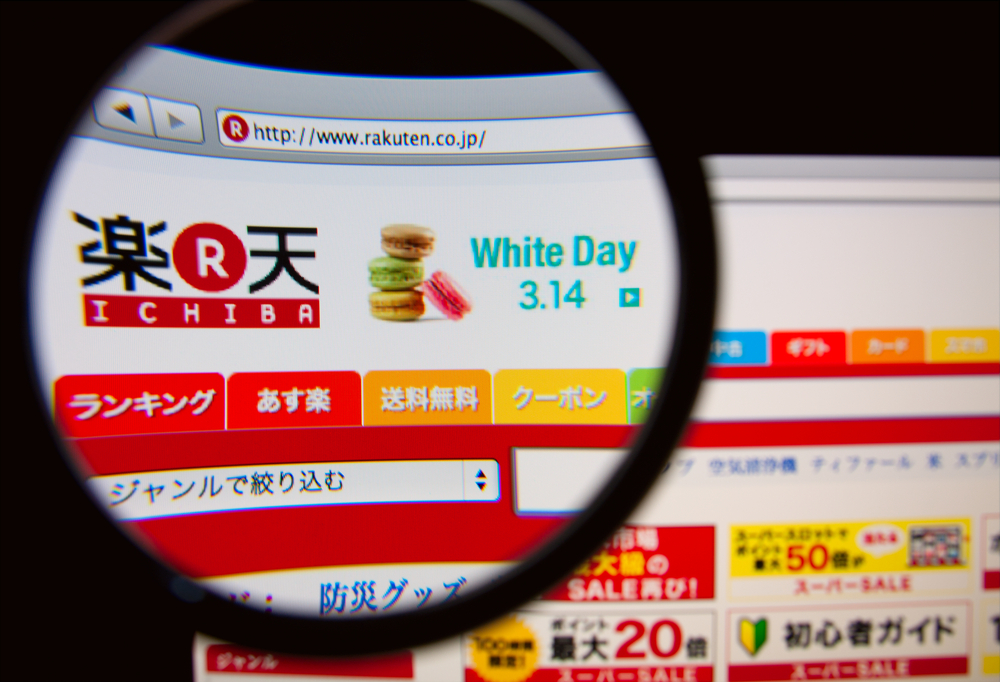
Rakuten is often described as a “virtual mall.” Unlike Amazon’s product-centric catalog, Rakuten is shop-centric. Each seller has a highly customizable storefront, allowing for brand storytelling which is crucial for the Japanese consumer.
Market Share: Approximately 25-28%.
Performance Rankings (Out of 10):
- Potential Revenue: 10/10 (Largest loyalty program in Japan).
- Difficulty to Manage: 9/10 (Complex “RMS” system; requires heavy graphic design).
- Onboarding Regularities: 9/10 (Very strict; usually requires a local Japanese entity or a registered service partner).
- Seller Support: 8/10 (Every seller is assigned an ECC – E-commerce Consultant).
3. Yahoo! Shopping (PayPay Mall)
Owned by Z Holdings (SoftBank), Yahoo! Shopping has seen a resurgence through its integration with PayPay, Japan’s leading mobile payment app. It attracts a slightly older demographic and value-conscious shoppers.
Market Share: Approximately 10-12%.
Performance Rankings (Out of 10):
- Potential Revenue: 7/10 (Strong growth but lower conversion than Amazon).
- Difficulty to Manage: 6/10 (Moderate complexity; requires Japanese language skills).
- Onboarding Regularities: 7/10 (Strict vetting; foreign companies usually need a local representative).
- Seller Support: 6/10 (Standard support, less proactive than Rakuten).
4. Qoo10 Japan: The Fashion & Beauty Specialist
Owned by eBay, Qoo10 has carved out a niche among Gen Z and Millennial women. It is the go-to platform for “K-Beauty” and trendy fashion, particularly during their “Mega Discount” events.
Market Share: Approximately 3-5%.
Performance Rankings (Out of 10):
- Potential Revenue: 6/10 (Niche-specific; explosive for beauty/fashion).
- Difficulty to Manage: 4/10 (User-friendly for cross-border sellers).
- Onboarding Regularities: 4/10 (Lower barrier to entry compared to Rakuten).
- Seller Support: 7/10 (Decent multilingual support).
5. Mercari Shops: The C2C Powerhouse
While traditionally a flea market app, “Mercari Shops” now allows businesses to sell directly to Mercari’s 20 million+ monthly active users. It is ideal for unique items, handmade goods, or outlet products.
Market Share: Dominant in C2C; growing in B2C.
Performance Rankings (Out of 10):
- Potential Revenue: 5/10 (Highly dependent on product “uniqueness”).
- Difficulty to Manage: 2/10 (Mobile-first, extremely simple).
- Onboarding Regularities: 2/10 (Very easy to set up).
- Seller Support: 4/10 (Limited to basic help desk functions).
Comparative Ranking Summary
Success in Japan requires a balance between reach (Amazon), brand trust (Rakuten), and targeted demographics (Qoo10/Yahoo).
For most international brands, the recommended strategy is to start on Amazon Japan to test the market, then expand to Rakuten once you have the resources to handle the operational complexity and customer service requirements of a localized storefront.
Frequently Asked Questions
Do I need a Japanese company to sell on these platforms?
For Amazon Japan and Qoo10, you can often register as a foreign entity. For Rakuten and Yahoo! Shopping, you generally need a local Japanese entity or a “Merchant of Record” service provider to act as your intermediary.
What are the biggest challenges for sellers in Japan?
The primary challenges are the language barrier, high standards for customer service (Omotenashi), and import regulations (especially for food, supplements, and cosmetics). Japanese consumers expect high-quality product images and detailed descriptions.
Is FBA available in Japan?
Yes, Amazon FBA is highly efficient in Japan. Other platforms like Rakuten offer their own logistics services (Rakuten Super Logistics), but many sellers use third-party 3PLs to manage multi-channel fulfillment.
Conclusion
Entering the Japanese e-commerce market is a marathon, not a sprint. While Amazon Japan offers the easiest path to entry, Rakuten provides the brand-building tools necessary for long-term loyalty. By diversifying across these major marketplaces, you can tap into different consumer segments and maximize your revenue potential in one of the world’s most stable economies.