
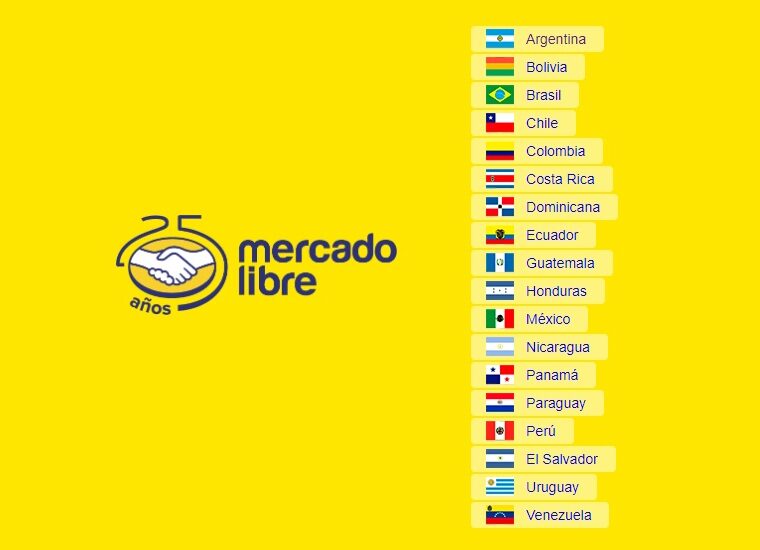
Mercadolibre stands as the undisputed e-commerce giant of Latin America, offering an immense opportunity for businesses looking to expand their reach beyond local borders. For cross-border sellers, navigating the intricacies of international trade can seem daunting, but Mercadolibre has developed programs to simplify this process. If you’re ready to tap into millions of potential customers across vibrant markets like Brazil, Mexico, and Argentina, this detailed guide will walk you through everything you need to know to start selling on Mercadolibre as a cross-border seller effectively.
From understanding the platform’s unique ecosystem to managing international logistics and payments, we’ll provide the insights necessary to transform your global e-commerce ambitions into a successful reality.
Table of Contents
- Understanding Mercadolibre’s Cross-Border Program
- Prerequisites for Cross-Border Selling on Mercadolibre
- The Mercadolibre Cross-Border Seller Registration Process
- Listing Your Products Effectively for the Latin American Market
- Navigating International Shipping and Logistics
- Managing Payments and Finances as a Cross-Border Seller
- Customer Service and Post-Sale Support Best Practices
- Tips for Success on Mercadolibre as a Global Seller
- Frequently Asked Questions (FAQ)
- Conclusion
Understanding Mercadolibre’s Cross-Border Program
Mercadolibre offers specific programs designed to facilitate international sales, primarily through its Mercado Envios Internacional (MEI) service. This program simplifies many of the complex aspects of global e-commerce, allowing sellers to focus on their products.
What is Mercadolibre Cross-Border Selling?
Cross-border selling on Mercadolibre involves listing products in one country (e.g., USA, China, Europe) and selling them to buyers in various Latin American countries where Mercadolibre operates. The platform acts as an intermediary, handling key aspects like currency conversion, localized customer support, and often logistics.
Benefits for International Sellers
- Access to a Massive Market: Reach millions of buyers in a region with rapidly growing internet penetration and e-commerce adoption.
- Simplified Logistics: Programs like Mercado Envios Internacional streamline shipping, customs, and last-mile delivery.
- Localized Experience: Mercadolibre handles currency conversion, local payment methods via Mercado Pago, and often translation, making the buying experience seamless for local customers.
- Reduced Risk: Leverage Mercadolibre’s trusted brand and buyer protection policies.
Prerequisites for Cross-Border Selling on Mercadolibre
Before you dive into listing products, ensure your business meets the foundational requirements for Mercadolibre global selling.
Business Registration and Compliance
You’ll typically need a registered business entity in your home country. Mercadolibre requires verification of your business and identity to ensure a secure marketplace.
Product Eligibility and Restrictions
Not all products can be sold cross-border. Review Mercadolibre’s prohibited and restricted item lists, which often include hazardous materials, certain electronics, and products with specific import regulations in Latin American countries. Focus on items with high demand and fewer regulatory hurdles.
Logistics Readiness
You need a reliable system for storing, picking, packing, and dispatching orders. This could involve an internal fulfillment center or a third-party logistics (3PL) partner capable of handling international shipments to Mercadolibre’s designated cross-docking facilities.
Payment Processing Capabilities
Ensure you can receive international payments. While Mercado Pago handles buyer payments, you’ll need a way to receive payouts in your local currency, often requiring an international bank account or a payment service provider.
The Mercadolibre Cross-Border Seller Registration Process
Getting started usually involves registering your business directly through Mercadolibre’s cross-border or international seller programs.
Creating Your Mercadolibre Account
- Visit the Mercadolibre international seller portal (often branded as “Mercado Libre Global Selling” or similar, depending on your region).
- Provide your company’s legal name, registration number, address, and contact information.
- You’ll likely need to submit documentation for verification, such as business licenses, tax IDs, and proof of identity for key personnel.
Linking Payment Methods
Once your account is verified, you’ll connect your preferred payout method. This usually involves linking an international bank account or a payment platform that supports cross-border transactions and currency conversion.
Listing Your Products Effectively for the Latin American Market
Optimizing your product listings is crucial for attracting buyers in the Latin American market.
Product Titles and Descriptions
- Localization is Key: While Mercadolibre might offer translation services, crafting accurate and culturally relevant titles and descriptions in Spanish or Portuguese (for Brazil) will significantly improve search visibility and conversion rates.
- Keyword Optimization: Research local keywords that buyers use for your products.
- Detailed Information: Include all necessary specifications, dimensions, materials, and features.
High-Quality Images and Videos
Use multiple clear, professional images from various angles. Product videos can also significantly boost engagement and trust, especially for online shopping where physical inspection isn’t possible.
Category Selection and Attributes
Accurately categorizing your products and filling out all relevant attributes helps buyers find your items and ensures they appear in filtered searches.
Pricing Strategy (Including Taxes, Duties, and Shipping)
This is critical for cross-border selling on Mercadolibre. Your final price must account for:
- Product Cost: Your standard selling price.
- Mercadolibre Fees: Listing fees, sales commissions, and potential ad costs.
- International Shipping Costs: Freight from your origin to Mercadolibre’s hub, and potentially through Mercado Envios Internacional.
- Customs Duties and Taxes: Depending on the program, these might be collected upfront from the buyer (DDP – Delivered Duty Paid) or handled at the border. Understand Mercadolibre’s policy for each target country.
- Currency Conversion: Factor in any potential exchange rate fluctuations.
“Mercadolibre connects millions of buyers and sellers across Latin America, making it the perfect platform for global expansion.”
Navigating International Shipping and Logistics
Efficient shipping is a cornerstone of successful cross-border sales. Mercadolibre’s solutions aim to simplify this complex area.
Mercado Envios Internacional (MEI)
MEI is Mercadolibre’s integrated logistics service for cross-border sellers. Here’s a simplified overview:
- Seller Ships to Hub: You ship your products in bulk or individually to a Mercadolibre-designated consolidation center (e.g., in Miami or another strategic location).
- Customs & Import: Mercadolibre or its partners manage customs declarations, import duties, and taxes. Often, these are pre-calculated and paid by the buyer at checkout.
- Last-Mile Delivery: Once cleared, Mercadolibre’s local logistics network (Mercado Envios) handles delivery to the buyer’s address.
Customs Clearance and Duties
Understanding who is responsible for duties and taxes is paramount. Mercadolibre often operates on a DDP (Delivered Duty Paid) model for cross-border sales, meaning the buyer pays all duties and taxes upfront during checkout, simplifying the process and avoiding surprises at delivery.
Tracking and Delivery
Buyers expect real-time tracking. Mercadolibre provides integrated tracking, allowing both you and the buyer to monitor the shipment’s progress from your facility to their doorstep.
Handling Returns
Returns can be a challenge for international sellers. Familiarize yourself with Mercadolibre’s return policy for cross-border sales. In some cases, returns might be processed locally by Mercadolibre, while in others, they might need to be shipped back to your origin country, requiring clear return instructions and a well-defined process.
Managing Payments and Finances as a Cross-Border Seller
Mercado Pago is Mercadolibre’s robust payment processing platform, central to all transactions.
Mercado Pago’s Role
All transactions on Mercadolibre are processed through Mercado Pago. It allows buyers to pay using local credit cards, bank transfers, cash payments at convenience stores, and more. For sellers, Mercado Pago collects the funds, handles currency conversion, deducts fees, and then disburses payouts.
Currency Conversion and Payouts
Your sales will be processed in the local currency of the buyer (e.g., Brazilian Real, Mexican Peso). Mercado Pago converts this to your preferred payout currency (e.g., USD, EUR) before transferring it to your linked bank account. Be aware of conversion rates and any associated fees.
Understanding Fees
Mercadolibre and Mercado Pago charge various fees, including listing fees, sales commissions, and possibly currency conversion fees. Thoroughly understand the fee structure for cross-border sellers to accurately price your products and calculate your profit margins.
Customer Service and Post-Sale Support Best Practices
Excellent customer service is vital for building a strong seller reputation, especially in a new market.
Language Considerations
While Mercadolibre offers some translation support, being able to communicate with buyers in Spanish or Portuguese (for Brazil) directly or through a reliable translation service is highly recommended. Quick, clear, and polite responses build trust.
Responding to Inquiries
Timely responses to pre-sale questions and post-sale issues are crucial. Aim to respond within Mercadolibre’s recommended timeframe to maintain good seller metrics.
Handling Disputes and Returns
Address any disputes professionally and according to Mercadolibre’s policies. For returns, provide clear instructions and follow through promptly. A positive resolution to an issue can often turn a dissatisfied customer into a loyal one.
Tips for Success on Mercadolibre as a Global Seller
- Localize Your Strategy: Don’t just translate; adapt your product presentation, marketing messages, and even product offerings to resonate with local cultures and preferences.
- Competitive Pricing: Research local market prices for similar products. While quality is important, Latin American buyers are often price-sensitive.
- Prioritize Fast Shipping: While cross-border shipping takes longer, providing realistic delivery estimates and aiming for the fastest possible fulfillment within Mercadolibre’s system will enhance buyer satisfaction.
- Maintain Excellent Seller Reputation: Consistently deliver quality products, accurate descriptions, and outstanding customer service to earn positive reviews and high ratings.
- Monitor Market Trends: Stay informed about consumer trends, popular products, and local holidays or sales events in your target countries.
- Optimize for Mobile: A significant portion of Mercadolibre transactions occur on mobile devices. Ensure your listings are mobile-friendly.
Frequently Asked Questions (FAQ)
Do I need a local entity to sell on Mercadolibre as a cross-border seller?
Generally, no. Mercadolibre’s cross-border programs are designed to allow international businesses to sell without requiring a local legal entity in each Latin American country. You typically register with your home country’s business details.
How are customs duties and taxes handled for cross-border sales?
For many cross-border programs on Mercadolibre, duties and taxes are collected from the buyer at the time of purchase (DDP model). This means the buyer sees the total cost upfront, simplifying customs clearance and preventing unexpected fees upon delivery.
What countries can I sell to through Mercadolibre’s cross-border program?
Mercadolibre operates in Brazil, Mexico, Argentina, Colombia, Chile, Uruguay, Peru, Ecuador, Costa Rica, and other countries. The specific countries available for cross-border selling depend on your origin country and Mercadolibre’s current program offerings.
How do I receive my payments from Mercadolibre?
Payments are processed through Mercado Pago. Funds are collected in local currency, converted to your preferred currency (e.g., USD, EUR), and then transferred to your linked international bank account or payment service provider, minus Mercadolibre and Mercado Pago fees.
What are the biggest challenges for new cross-border sellers on Mercadolibre?
Common challenges include understanding local market nuances, managing international logistics and customs, handling currency fluctuations, and providing effective multi-language customer support. However, Mercadolibre’s programs aim to mitigate many of these.
Conclusion
Selling on Mercadolibre as a cross-border seller opens up a world of opportunity in the dynamic and rapidly growing Latin American e-commerce market. While the process requires careful planning and attention to detail, Mercadolibre’s robust platform and integrated services significantly streamline international trade. By understanding the registration process, optimizing your product listings, mastering logistics, and prioritizing excellent customer service, your business can successfully expand its global footprint and connect with millions of new customers.


