In the dynamic world of e-commerce, staying ahead means embracing innovation. For small and medium-sized businesses (SMBs), the horizon of 2026 promises a powerful shift in consumer behavior and purchasing pathways, with interactive live shopping emerging as a dominant force. This isn’t just about selling products; it’s about creating an immersive, engaging, and personal shopping experience that drives immediate impulse buys. Are you ready to convert passive viewers into active customers and unlock unprecedented growth for your business?
Table of Contents
- What is Interactive Live Shopping?
- Why 2026 is the Pivotal Year for SMBs
- Core Technologies Powering Live Shopping
- Crafting Engaging Live Shopping Experiences
- Measuring Success and Optimizing ROI
- Overcoming Common Challenges
- Frequently Asked Questions (FAQ)
- Conclusion
What is Interactive Live Shopping?
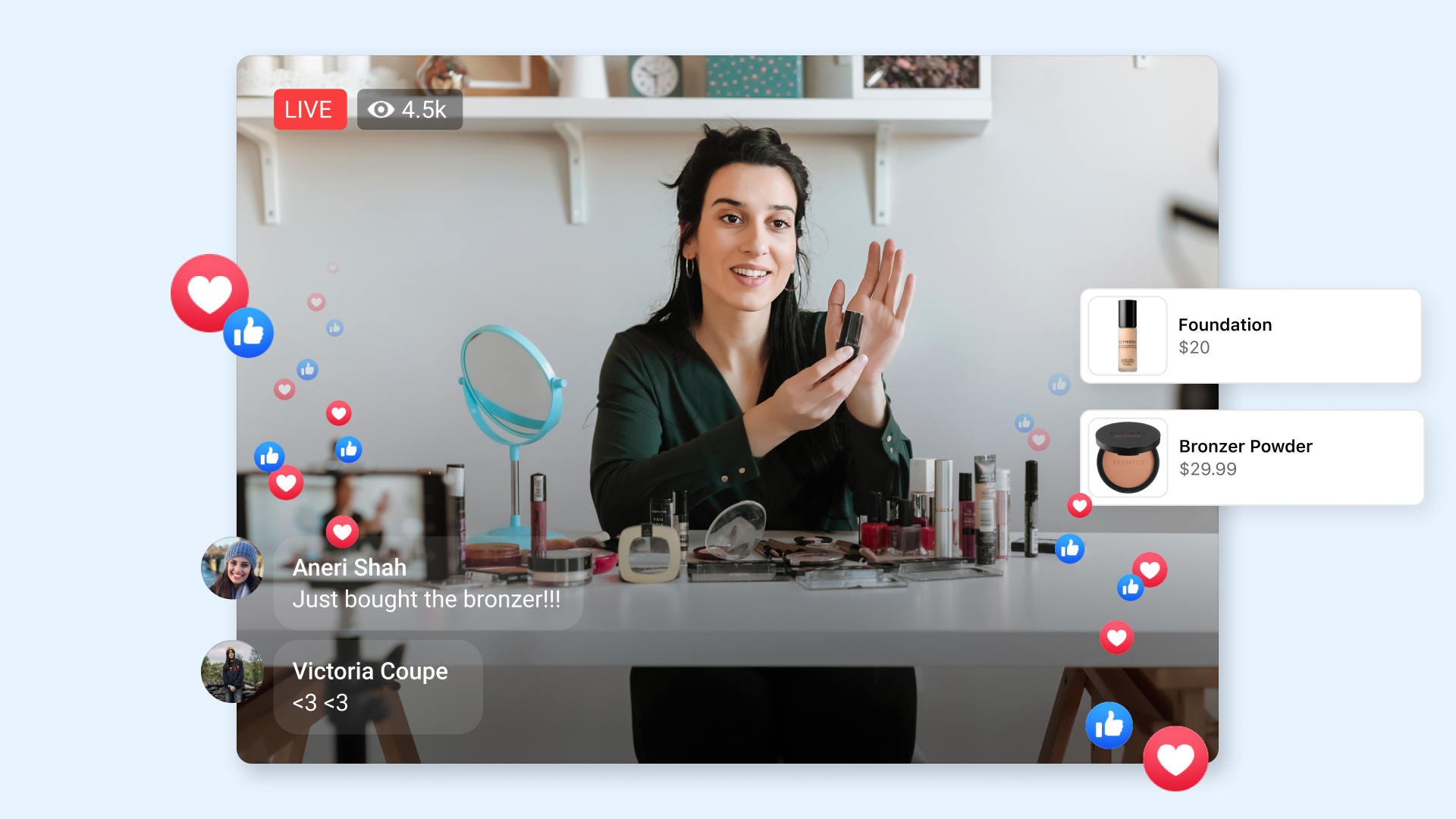
Interactive live shopping, often referred to as ‘livestream commerce’ or ‘shopatainment’, is a real-time online shopping experience where businesses showcase products through live video streams. Viewers can interact directly with the host, ask questions, participate in polls, and make purchases instantly without leaving the stream. It combines the immediacy of television home shopping with the interactivity of social media, creating a highly engaging and conversion-focused environment.
- Real-time interaction: Customers can chat with hosts and other viewers.
- Instant purchasing: Integrated ‘buy now’ buttons or links make impulse buys seamless.
- Authentic presentation: Products are demonstrated and discussed in a natural, often unscripted, manner.
- Exclusivity: Limited-time offers, unique bundles, or sneak peeks encourage immediate action.
Why 2026 is the Pivotal Year for SMBs
While live shopping has roots in Asia, its adoption is rapidly accelerating globally. By 2026, several factors will converge to make it indispensable for SMBs:
Consumer Readiness and Expectation
Younger demographics (Gen Z, Millennials) are highly comfortable with live streaming and social commerce. As these groups gain more purchasing power, their expectation for dynamic, engaging shopping experiences will drive demand for live shopping. They seek authenticity and connection, which SMBs are uniquely positioned to offer.
Technological Accessibility and Affordability
The tools and platforms required for live shopping are becoming more user-friendly and affordable. What once required significant investment is now accessible through popular social media channels (e.g., Instagram Live Shopping, TikTok Shop) and dedicated e-commerce platforms, lowering the barrier to entry for SMBs.
A Unique Competitive Edge
In a crowded online marketplace, live shopping allows SMBs to stand out. It fosters a sense of community, builds trust, and allows for personalized interaction that large, impersonal corporations struggle to replicate. This human touch can be a powerful differentiator, transforming viewers into loyal advocates.
Core Technologies Powering Live Shopping
Behind every successful live shopping event are key technological components:
- Streaming Platforms: Integrated solutions (like those on social media) or dedicated platforms offering white-label customization.
- Interactive Overlays: Tools for polls, Q&A, countdown timers, and dynamic product displays.
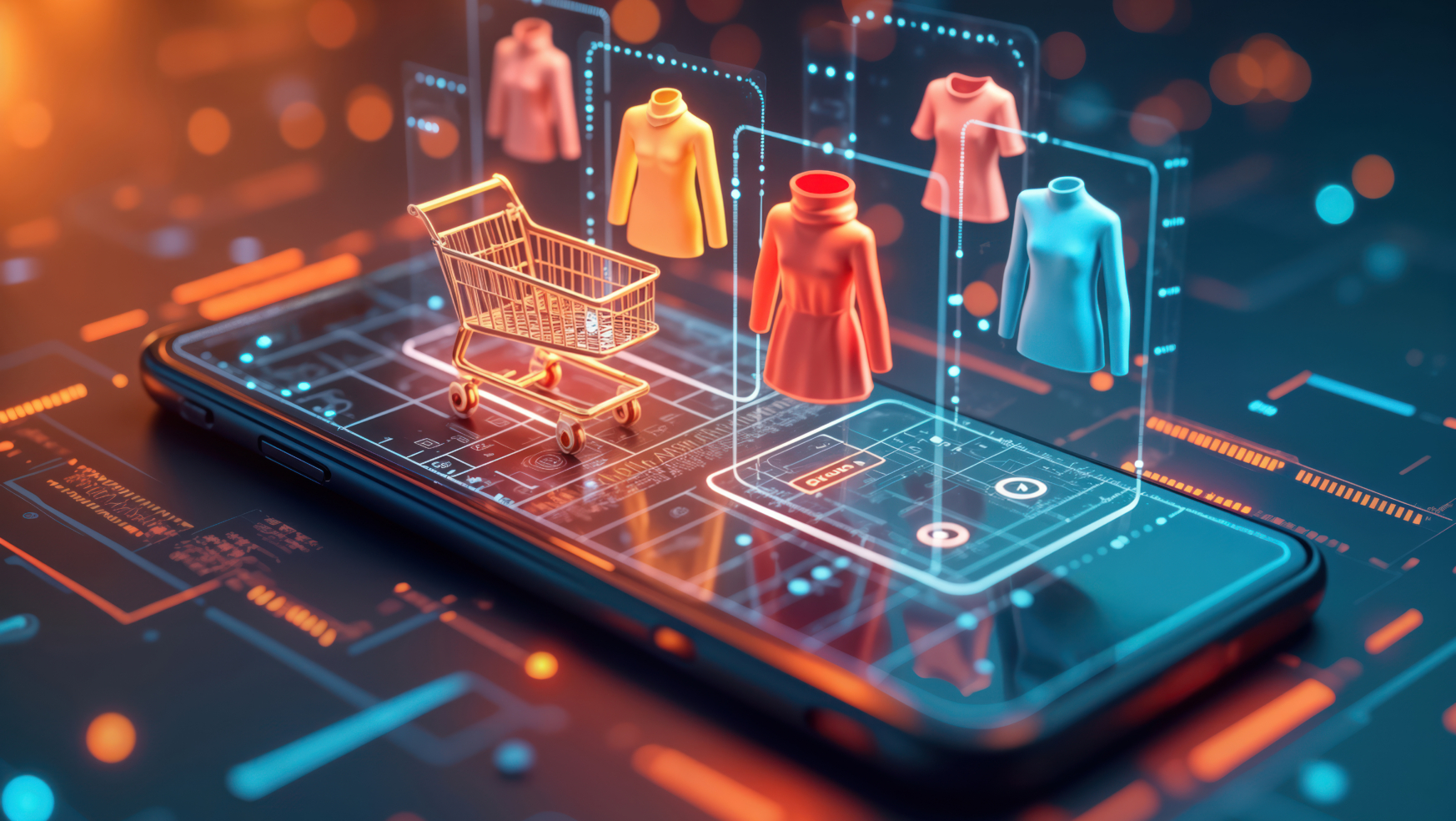
- AI & AR Integration: Artificial intelligence can personalize product recommendations in real-time, while Augmented Reality allows virtual try-ons, enhancing the shopping experience.
- Payment & Inventory Sync: Seamless integration with existing e-commerce systems ensures accurate inventory and smooth transactions.
Crafting Engaging Live Shopping Experiences
Success in live shopping isn’t just about going live; it’s about putting on a show. Here’s how SMBs can create compelling events:
Pre-Event Promotion is Key
Build anticipation! Promote your live shopping event across all your channels: email newsletters, social media posts, stories, and even in-store signage. Offer exclusive peeks at products or hosts to generate excitement.
Host Selection and Training
Your host is the face of your brand. Choose someone authentic, knowledgeable, and energetic. They should be comfortable interacting with a live audience, demonstrating products, and handling questions on the fly. Personality sells!
Dynamic Content Strategy
Plan your segments: product demos, styling tips, behind-the-scenes tours, customer testimonials, and interactive games. Vary the pace and keep viewers engaged with surprise giveaways or flash sales. Think of it as a mini-infotainment show.
Clear Calls to Action and Urgency
Make it easy and irresistible to buy. Regularly remind viewers how and where to purchase. Introduce limited-time offers, exclusive bundles, or scarcity (e.g., ‘only 10 left!’) to encourage immediate impulse decisions.
“The magic of live shopping for SMBs lies in its ability to replicate the personal touch of a brick-and-mortar store, combined with the convenience and reach of online commerce. It’s about building relationships at scale.”
Measuring Success and Optimizing ROI
Like any marketing effort, live shopping requires analytics to refine your strategy:
- Viewership Metrics: Total viewers, peak viewers, average watch time.
- Engagement Rate: Number of comments, likes, shares, poll participations per viewer.
- Conversion Rate: Number of purchases divided by total viewers.
- Average Order Value (AOV): Often higher in live shopping due to bundles and urgency.
- Post-Event Feedback: Analyze comments and conduct surveys to understand viewer sentiment.
Use these insights to iterate on your content, timing, host, and promotions for future sessions.
Overcoming Common Challenges
While promising, live shopping comes with its own set of hurdles:
- Technical Glitches: Ensure a stable internet connection, test equipment, and have a backup plan.
- Low Viewership: Intensify pre-event promotion, experiment with different times, and leverage influencers.
- Lack of Engagement: Encourage questions, run polls, host Q&A sessions, and offer interactive games.
- Inventory Management: Integrate your live shopping platform with your inventory system to avoid overselling.
Frequently Asked Questions (FAQ)
Q1: Is live shopping only suitable for fashion and beauty products?
A: Absolutely not! While popular in these categories, live shopping is highly effective for a wide range of products including electronics, home goods, food, craft supplies, books, and even services. Any product that benefits from demonstration, explanation, or a human connection can thrive in a live shopping format.
Q2: What’s the best platform for an SMB to start with?
A: For beginners, existing social media platforms like Instagram Live Shopping or TikTok Shop are excellent starting points due to their built-in audience and user-friendly tools. As your strategy matures, you might explore dedicated e-commerce live streaming solutions that offer more branding control and deeper analytics.
Q3: How long should a live shopping session be?
A: The ideal length can vary, but generally, sessions between 30 to 90 minutes tend to perform well. The key is to keep it engaging and concise enough to maintain viewer attention, while long enough to showcase multiple products and allow for interaction.
Q4: Do I need expensive equipment to host a live shopping event?
A: Not necessarily. You can start with a good quality smartphone, a stable tripod, decent lighting (even natural light can work wonders), and a reliable internet connection. As you grow, you might invest in external microphones, better cameras, or professional lighting, but the emphasis should always be on authentic connection over high production value initially.
Conclusion
Interactive live shopping is more than just a trend; it’s a fundamental shift in how consumers want to discover and purchase products. For SMBs looking towards 2026, embracing this dynamic sales channel is not merely an option but a strategic imperative to foster deep customer connections, differentiate from competitors, and drive significant impulse purchases. By focusing on authentic engagement, leveraging accessible technology, and continuously optimizing your approach, your small or medium-sized business can seize this opportunity to transform passive viewers into an active, loyal customer base and thrive in the future of e-commerce.