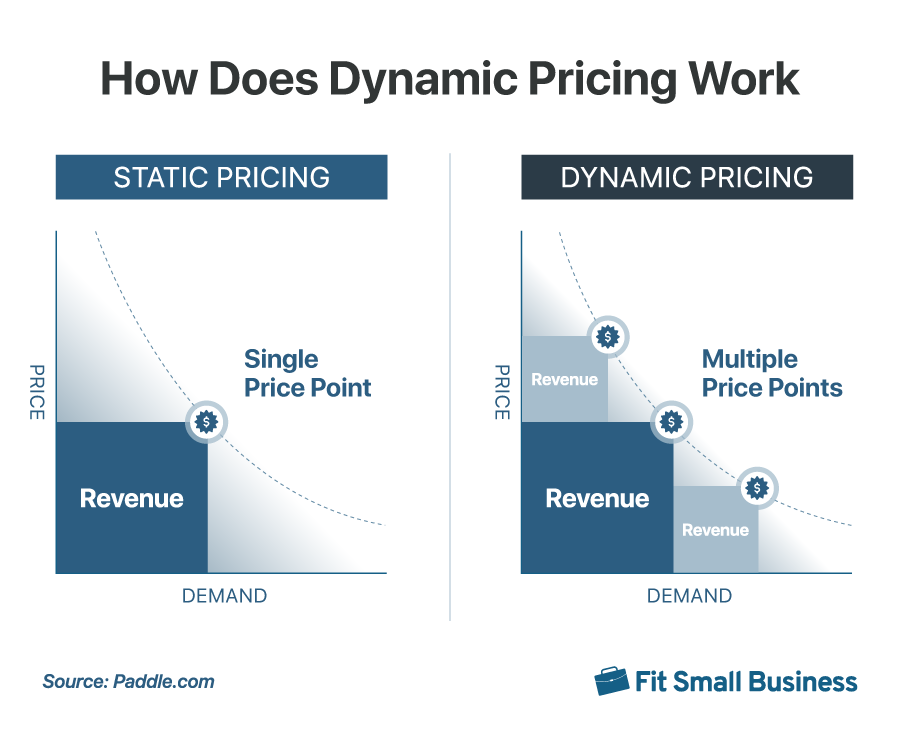
In today’s hyper-competitive digital marketplace, the ability to price products and services effectively is no longer a static decision but a continuous, data-driven process. For Small and Medium-sized Businesses (SMBs), this challenge is amplified by limited resources and the dominance of larger players. However, Artificial Intelligence (AI) is leveling the playing field, offering powerful tools for SMBs to master dynamic offers and hyper-personalized discounts. This allows them to optimize revenue, enhance customer loyalty, and ultimately unlock significant pricing power on major online platforms.
Table of Contents
- The AI Revolution in SMB Pricing
- Dynamic Pricing: Beyond Simple Supply & Demand
- Hyper-Personalization: Crafting One-to-One Offers
- Implementing AI Pricing on Marketplaces: Challenges & Opportunities
- Practical Steps for SMBs to Adopt AI Pricing
- Frequently Asked Questions
- Conclusion: Your Future in AI-Powered Pricing
The AI Revolution in SMB Pricing
For too long, pricing decisions for SMBs have been based on gut feeling, competitor analysis, or simple cost-plus models. While these methods have their place, they often leave money on the table or lead to missed sales opportunities. AI changes this paradigm by enabling sophisticated analysis of vast datasets – including competitor prices, customer behavior, inventory levels, market trends, and even external factors like weather or holidays – all in real-time. This capability transforms pricing from an art into a precise science, offering SMBs unprecedented agility and accuracy.
Dynamic Pricing: Beyond Simple Supply & Demand
Dynamic pricing, often misunderstood as simply changing prices based on demand, is far more nuanced with AI. It involves adjusting product or service prices continually in response to a multitude of real-time variables. For SMBs, this means:
- Optimized Revenue: AI algorithms can identify the optimal price point to maximize revenue or profit margins at any given moment.
- Competitive Edge: Automatically adjust prices to stay competitive with rivals without constantly monitoring them manually.
- Inventory Management: Use pricing to clear excess stock efficiently or increase prices for high-demand, low-inventory items.
- Market Responsiveness: React instantly to market shifts, promotional events, or economic indicators that impact purchasing behavior.
“The future of retail pricing for SMBs lies not in fixed rates, but in intelligent, adaptable strategies driven by data. AI makes this vision a tangible reality.”
Hyper-Personalization: Crafting One-to-One Offers
While dynamic pricing sets the base, hyper-personalization takes it a step further by tailoring offers to individual customers. Imagine a scenario where a returning customer sees a slightly different discount or bundle offer than a new visitor, based on their past browsing history, purchase patterns, and demographic data. AI enables this by:
- Understanding Customer Segments: AI can segment customers into highly specific groups based on their behavior, preferences, and value to the business.
- Predictive Analytics: Foresee which products a customer is likely to buy next and at what price point they are most likely to convert.
- Customized Discounts: Offer personalized coupons, loyalty rewards, or bundled deals that resonate specifically with an individual’s buying habits, increasing conversion rates and average order value.
- Enhanced Customer Experience: Customers feel understood and valued when they receive relevant offers, fostering stronger loyalty and repeat business.
Implementing AI Pricing on Marketplaces: Challenges & Opportunities
Operating on marketplaces like Amazon, eBay, or Etsy comes with its own set of rules and challenges. Integrating AI-powered pricing requires strategic thinking:
Opportunities:
- Visibility Boost: Optimized pricing can improve your ranking in marketplace search results, leading to more impressions and clicks.
- Automated Competitor Analysis: AI tools can constantly scrape competitor prices on the same marketplace and adjust yours accordingly, keeping you agile.
- Reduced Manual Work: Automate tedious pricing adjustments, freeing up valuable time for other business operations.
- Increased Conversion: Smart pricing and personalized offers can significantly uplift conversion rates on highly competitive platforms.
Challenges:
- Data Access: Marketplaces often guard their data, making it harder for SMBs to access comprehensive customer behavior insights directly.
- API Limitations: Integrating third-party AI tools might be limited by marketplace APIs, requiring creative solutions or approved integrations.
- Platform Fees: Higher sales due to AI pricing may lead to increased marketplace fees, which need to be factored into calculations.
- Algorithmic Understanding: Understanding how a marketplace’s own algorithms react to price changes is crucial to avoid unintended penalties.
Practical Steps for SMBs to Adopt AI Pricing
Ready to embrace the power of AI? Here are practical steps for SMBs:
- Start Small & Test: Begin with a subset of products or specific marketplace listings. Monitor performance closely and iterate.
- Choose the Right Tools: Invest in AI pricing software or tools that integrate with your chosen marketplaces. Look for features like dynamic repricing, competitor tracking, and analytics dashboards.
- Define Your Goals: Clearly articulate what you want to achieve: maximize profit, increase sales volume, clear inventory, or acquire new customers. This will guide the AI’s strategy.
- Collect and Analyze Data: Leverage any data you have – past sales, customer demographics, website analytics. The more data, the smarter your AI will be.
- Monitor & Refine: AI is not a “set it and forget it” solution. Regularly review performance, A/B test different strategies, and fine-tune your algorithms.
- Understand Marketplace Rules: Ensure your dynamic pricing strategies comply with the terms of service of each marketplace you operate on.
Frequently Asked Questions
What kind of AI tools are available for SMBs for dynamic pricing?
Many software-as-a-service (SaaS) solutions now offer AI-powered dynamic pricing. Examples include Pricefy, Prisync, RepricerExpress, and various e-commerce platform extensions. These tools often feature competitor monitoring, demand forecasting, and automated price adjustments.
Is AI dynamic pricing legal?
Yes, dynamic pricing is generally legal, but it’s important to be transparent where required and ensure practices don’t engage in discriminatory pricing based on protected characteristics. Marketplaces also have their own rules regarding frequent price changes.
How much does AI pricing software cost?
Costs vary widely depending on features, the number of products, and sales volume. Some solutions offer basic plans for under $50/month, while more advanced enterprise solutions can run into hundreds or thousands. Many offer free trials to help you evaluate.
Can AI pricing help with inventory management?
Absolutely. AI can analyze inventory levels, demand forecasts, and product lifecycle stages to recommend or automatically implement pricing changes designed to move slow-moving stock or capitalize on high-demand items, thereby optimizing inventory turnover.
Conclusion: Your Future in AI-Powered Pricing
The era of static pricing is rapidly fading. For SMBs competing on bustling online marketplaces, AI-powered dynamic offers and hyper-personalized discounts are no longer luxury features but essential tools for survival and growth. By embracing these intelligent strategies, SMBs can transcend their limitations, operate with the agility of larger enterprises, and ultimately unlock unprecedented pricing power, driving both profitability and customer satisfaction. The future of e-commerce pricing is intelligent, personalized, and accessible – and it’s within reach for every SMB.