

In a strategic move to compete with the growing popularity of Chinese e-commerce platforms like Temu, Amazon has launched a new mobile-exclusive section called Haul. Quietly rolled out two weeks before Black Friday, Haul is now available at the top of the Amazon mobile app, offering ultra-low-priced products shipped directly from China.

What is Haul?
Haul serves as Amazon’s response to applications like those from PDD Holdings, which have gained significant traction in the market. Since its launch in November, Amazon reports that Haul has been visited by millions of unique customers.
Like Temu, Haul features budget-friendly items such as sneakers for $9.98, kitchen gadgets for $5.99, and phone cases for $2.99. However, Haul differentiates itself by capping product prices at $20 and offering free shipping for orders of $25 or more. Additionally, customers can enjoy greater discounts with higher cart values, encouraging bulk purchases — the inspiration behind the platform’s name.
Neil Saunders, Managing Director at GlobalData Retail, highlighted the strategy, saying, “One of the interesting things Amazon has done is completely separate this from the main Amazon site. The logic here is to avoid steering customers toward lower-priced products on their primary platform.”
For more details or to explore the Haul platform, visit the official Amazon Haul page.
Affordable Prices, Longer Shipping Times
While Haul delivers lower prices, it also comes with slower shipping speeds. Products typically take one to two weeks to arrive, unlike the one- or two-day delivery speeds Prime members are accustomed to. Unlike Amazon’s traditional approach of pre-stocking products in U.S. warehouses, Haul’s items are shipped directly from Chinese sellers. This reduces Amazon’s logistical costs, which are usually passed on to the consumer in higher product prices.
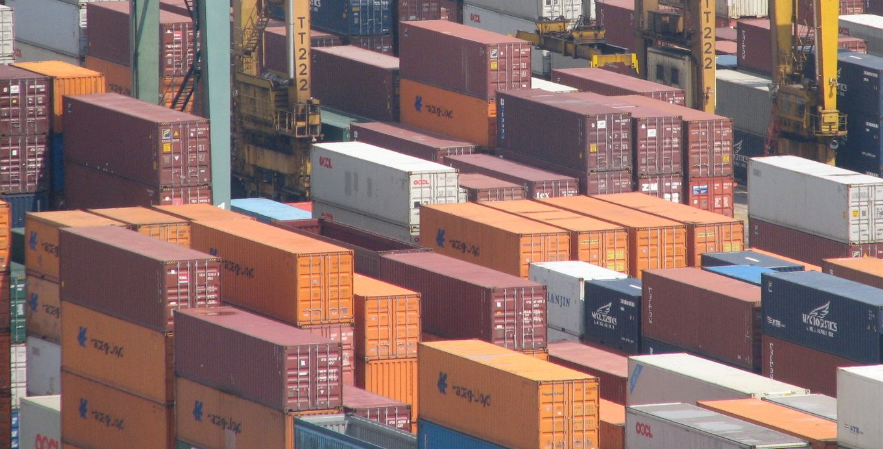
Amazon’s Haul redefines budget e-commerce by combining ultra-low prices with strategic separation from its main platform, capturing the fast-growing low-cost market while challenging competitors like Temu.
Leveraging Duty-Free Imports
Haul and Temu maintain low prices by utilizing existing networks of Chinese sellers and benefiting from the U.S. “de minimis” rule. This rule allows imports valued under $800 to enter the U.S. duty-free, although it has faced federal scrutiny. The loophole enables both platforms to offer significant cost savings, though it results in longer delivery times.
Temu, which debuted in the U.S. in September 2022, has seen explosive growth despite slower shipping speeds, suggesting that many American consumers are willing to trade delivery speed for lower prices.
A Booming Market for Low-Cost E-Commerce
According to Saunders, Amazon’s strategy isn’t just about competing with Temu. “This is also about capturing opportunities in the low-cost segment of the retail market, which has seen rapid growth in recent years,” he noted.
Other platforms dominated by Chinese goods, such as Alibaba and TikTok Shop, have also experienced significant growth, despite concerns over potential bans and rising scrutiny.
Ethical Concerns and Regulatory Challenges
The rise of these platforms hasn’t been without controversy. Reports suggest that some products on Temu are linked to forced labor in China’s Xinjiang region. In a statement to CNBC, Temu emphasized its commitment to “ethical, humane, and legal business practices” and required compliance with stringent labor, safety, and environmental standards.
Amazon, too, has faced scrutiny over high injury rates in its warehouses and a federal ruling that holds the company accountable for recalling defective products. However, these challenges haven’t slowed Amazon’s sales momentum.
What’s Next for Haul?
Currently in beta, Haul has already experienced strong demand. During its Black Friday promotions, several products sold out. Amazon has announced plans to expand Haul’s catalog significantly in the coming weeks, adding hundreds of thousands of products across dozens of categories.
As Haul grows, it remains to be seen how this new platform will impact the dynamics of budget e-commerce and whether it can sustain its competitive edge against established players like Temu.commerce and whether it can sustain its competitive edge against established players like Temu.

