

Online sellers today have more platform choices than ever. Traditional marketplaces like eBay and Amazon have long dominated e-commerce, but fast-fashion newcomers Shein and Temu are rapidly rising. This analysis compares these platforms from a seller’s perspective, focusing on seller policies, logistics, accessibility, fees, and competitive positioning. Marketplace store owners can use these insights to decide if expanding into fast-fashion platforms makes sense for their business.
Seller Policies and Requirements
eBay – Low Barriers, Flexible Selling: eBay is known for its relatively open marketplace. Just about anyone can become an eBay seller by registering an account and verifying identity. There are few upfront requirements or revenue thresholds – individual hobbyists and global businesses alike sell on eBay. Sellers must follow eBay’s policies on allowed items and seller conduct, but the entry barriers are minimal. Performance standards (like shipping on time and avoiding excessive defects) do exist, but eBay is generally forgiving compared to Amazon. Category restrictions are rare (mostly for high-risk items), and new sellers can list products immediately in most cases.
Amazon – Heavier Vetting & Strict Rules: Amazon’s marketplace has a more involved onboarding. New sellers must provide detailed business and tax information, and certain categories (e.g. luxury, beauty, electronics) may require approval. There’s no minimum company size, but Amazon holds sellers to strict performance metrics and a “customer-obsessed” ethos. Account health is monitored closely – too many late shipments or bad reviews can lead to suspension.
Amazon also aggressively polices product quality and intellectual property; sellers risk getting delisted for policy violations. In short, Amazon’s rules are stringent to maintain buyer trust. Unlike Temu or Shein, Amazon itself sells products and brands on the platform, meaning third-party sellers also compete with Amazon’s own offerings.

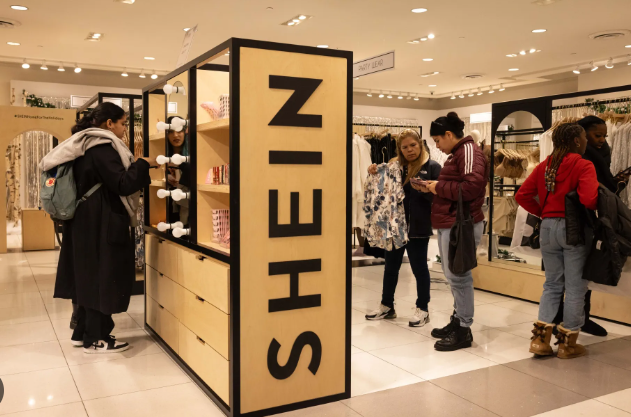
Shein – Invitation-Only for Established Brands: Shein, originally a fast-fashion retailer, only recently opened a third-party Marketplace. It’s not open to casual sellers – Shein hand-picks professional vendors and has stringent criteria. For example, to sell on Shein’s U.S. marketplace, a brand must have at least $5 million in annual revenue and operate domestically in the U.S. Sellers are required to ship orders directly from their U.S. operations, ensuring fast delivery and a consistent customer experience. These high bars mean Shein’s marketplace is limited to established businesses (Shein has even onboarded big names like Skechers as sellers).
All marketplace sellers must abide by Shein’s code of conduct and policies protecting the customer experience. In exchange, Shein offers access to its massive young customer base and real-time fashion trend insights. But for most small sellers, Shein is not (yet) an accessible option due to these strict requirements.
Temu – Business Verification and Product Checks: Temu, the budget shopping app launched in 2022, sits somewhere in between. The platform is open to third-party sellers, but you must apply and be approved. Sellers need a registered business entity in the US or EU to join Temu (for EU sellers, a company registered in certain countries with VAT registration). Unlike Shein, there’s no multi-million revenue requirement, but Temu does vet sellers for product quality and reliability. New Temu sellers must submit business documents and even send product samples to Temu for review to ensure items meet safety standards for the U.S. market. Temu explicitly forbids dropshipping – you must have the products in hand and fulfill orders directly (no ordering from a third party to ship to your Temu customer)
Once approved, Temu sellers get a profile page and must handle their own store operations, customer inquiries, and returns. Overall, Temu welcomes international sellers (including local US/EU businesses and manufacturers abroad), but it expects a certain level of professionalism and preparedness from day one.

Logistics and Fulfillment: Shipping Models Compared
eBay – Seller-Manages Shipping: On eBay, fulfillment is entirely in the seller’s hands. Sellers list items from their own location or warehouse and arrange shipping to buyers using carriers of their choice (USPS, FedEx, etc.). eBay provides shipping label printing and offers its Global Shipping Program (now the eBay International Shipping service) to simplify international delivery – a seller can ship domestically to eBay’s hub, and eBay handles the rest. However, eBay has no equivalent of Amazon FBA; there are no eBay-operated warehouses to store inventory for sellers. This means eBay sellers must manage packing, shipping, and any warehousing themselves or via third-party logistics providers. The upside is flexibility and control over your shipping methods; the downside is you don’t get the “Prime-like” guaranteed fast delivery badge that Amazon offers its FBA sellers.
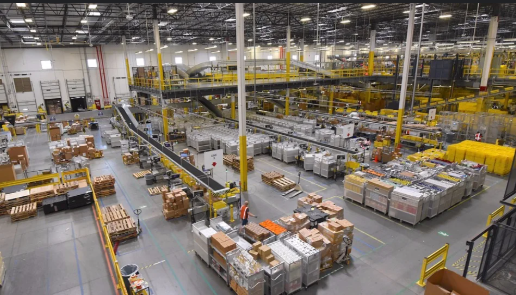
Amazon – Fulfillment by Amazon (FBA) Advantage: Logistics is where Amazon outshines all others. Sellers can choose Fulfillment by Amazon (FBA), sending inventory to Amazon’s vast warehouse network. Amazon then handles storage, packing, shipping to customers, and even returns. Products fulfilled via FBA are eligible for Amazon Prime’s two-day (or same-day) shipping promises, hugely appealing to buyers. This can boost sales, but comes at a cost (more on fees later). Sellers who prefer to ship themselves (FBM – Fulfilled by Merchant) can do so, but must meet Amazon’s strict delivery expectations to keep customers happy. Amazon’s fulfillment infrastructure – over 100 U.S. fulfillment centers and many more globally – gives it an enormous logistical reach. Amazon can deliver in days (or less) in many regions, whereas sellers on other platforms might take much longer to reach customers overseas. The trade-off: FBA means relinquishing some control (Amazon handles your products) and trusting that Amazon won’t commingle or lose inventory. Still, no other marketplace offers an in-house fulfillment service as robust as Amazon’s, which is a major draw for scaling sellers.
Shein – Fast-Fashion Fulfillment Expectations: Shein’s marketplace is so new that its fulfillment model is still evolving. Given Shein requires marketplace sellers to have domestic operations in each market, it appears sellers ship orders directly to local customers (e.g., U.S. sellers ship to U.S. buyers) Shein likely expects quick dispatch and provides shipping guidelines. In fact, Shein imposes penalties for failing to meet promised shipping timelines. This suggests that while Shein doesn’t run a fulfillment service for sellers, it closely monitors delivery speed to uphold its fast-fashion reputation. Shein customers are used to relatively fast free shipping on the site (often within a week or two), so marketplace sellers need comparable efficiency. Sellers can use their own warehouses or 3PL (third-party logistics) providers – Shein even allows “multi-channel fulfillment,” meaning you can use the same inventory to fulfill Shein orders as you do for other platforms. Unlike Amazon, Shein does not stock your products – you ship each order – but Shein’s Seller Hub integrates order management and shipping labels to streamline the process. Essentially, Shein provides the sales channel and audience, but logistics remain the seller’s responsibility, with an emphasis on speed.
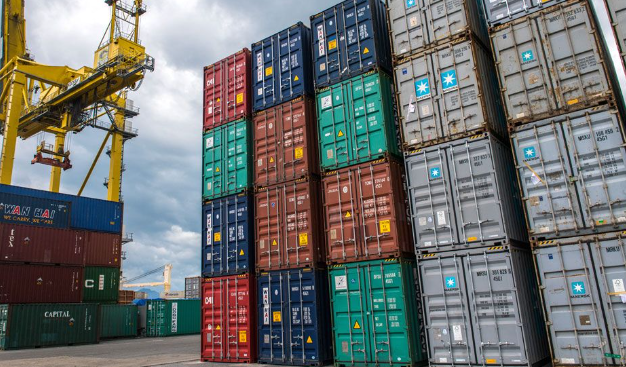
Temu – Cross-Border Shipping with Support: Temu’s model is built on connecting global (mostly Chinese) sellers to consumers in the US, EU, and beyond. As a Temu seller, you are responsible for fulfilling orders, but Temu provides some infrastructure. For example, Temu’s Seller Center generates shipping labels for major carriers (USPS, UPS, FedEx). Many Temu orders ship directly from China to consumer markets, which means longer delivery times by default – often 7 to 20 business days to the US.
Buyers on Temu accept slower shipping as the trade-off for ultra-low prices. Temu’s system likely leverages consolidated shipping arrangements to keep it economical (many sellers send packages that get flown in bulk to the destination country). Notably, Temu customers have been conditioned to expect free or very cheap shipping on orders. To facilitate this, Temu often subsidizes logistics – the company’s aggressive growth strategy involves making shipping costs a non-issue for buyers. Sellers on Temu must package products per Temu guidelines (e.g. use a clear bag for apparel) and be ready with inventory to ship quickly once orders come in. If you are a local seller in the US or EU on Temu, you might fulfill domestically which can be faster. In fact, Temu gives priority placement to local sellers to improve delivery times in those regions.
However, the majority of Temu’s catalog still ships from China or overseas. Importantly, Temu has no warehousing service for sellers – like eBay, it’s purely a marketplace. You handle the goods; Temu just facilitates the transaction and perhaps coordinates bulk transit. In summary, Amazon offers the most hands-off logistics option (FBA), whereas eBay, Shein, and Temu require sellers to manage fulfillment, with Temu and Shein placing strong emphasis on adhering to their shipping standards.
Marketplace Accessibility and Global Reach
Global Seller Access on eBay and Amazon: Both eBay and Amazon are truly global marketplaces. Amazon operates 20+ country-specific marketplaces (from Amazon.com in the US to Amazon.co.uk, Amazon.de, Amazon.co.jp, etc.), and sellers can often expand to new regions through unified accounts. In practice, a seller from Istanbul or Mumbai can register to sell on Amazon US (if they provide required documentation and banking info in supported countries). Amazon has a list of countries from which seller registrations are accepted, but it’s broad. Likewise, eBay allows international sellers easily – many sellers in China list directly on eBay’s U.S. site, and vice versa. eBay’s platform is segmented by country sites (ebay.com, ebay.co.uk, etc.), but sellers often list on multiple sites or ship worldwide. Overall, Amazon and eBay are highly accessible to sellers worldwide, making it straightforward for a merchant to tap into global customer bases. They also have programs to help with cross-border trade (Amazon’s Global Selling program, eBay’s international site visibility and shipping program).
Temu – Open to International Sellers (with Conditions): Temu positions itself as a “global online marketplace” and indeed has rapidly expanded to serve customers in over 20 countries (USA, Canada, Australia, major EU nations, and more). However, selling on Temu is currently routed through specific regional gateways. Temu requires a business entity in the US or EU to sell in those markets – essentially encouraging local presence. This means if you are, say, a Turkish seller wanting to sell on Temu Europe, you might need to register a business in an EU country like Germany or Italy (since EU sellers on Temu must be from select countries). In practice, many Chinese manufacturers have joined Temu (often via the sister company Pinduoduo’s infrastructure), so Temu clearly allows non-US, non-EU entities through that channel. For a Western small business, Temu is accessible but not as plug-and-play as eBay/Amazon – you must apply and coordinate with Temu’s team to get onboarded. Once on Temu, you gain access to its international customer base through a single platform. Temu handles multi-country expansion on the front end; a product you list may be visible to buyers in the US, UK, Canada, etc., as Temu’s app/website spans multiple regions. This is different from Amazon/eBay, where you generally list on each country’s marketplace or rely on global shipping. Temu is growing fast internationally (it launched in the US in 2022 and by 2023 had expanded to the UK, EU, Australia, and more). It even surpassed eBay to become the world’s second most visited e-commerce site by late 2023 – indicating enormous global reach. For sellers, Temu can open doors to many markets at once, but you must ensure you can fulfill orders to those regions (either via direct shipping or having some logistic solution; Temu expects you to handle region-specific fulfillment or dropshipping in-region).
Shein – Selective Global Expansion: Shein’s marketplace is rolling out country by country. It launched first in Brazil, then the U.S., and is expanding to parts of Europe and likely other regions. Shein does allow international third-party sellers, but with a twist: Shein emphasizes “local” sellers in each market. The company wants marketplace items to complement its own cross-border model by improving speed and variety locally. For example, in the U.S., only U.S.-based sellers (with U.S. stock) can join. In Europe, Shein recently invited local European businesses in countries like France and Spain. Cross-border selling on Shein Marketplace isn’t the default – a merchant is onboarded to a specific regional marketplace to serve that customer base. As Shein rolls out its integrated marketplace globally, sellers might need to apply separately in each region (the Shein seller site lists different portals for U.S., Brazil, Mexico, China, etc.. This is more restrictive than Amazon/eBay, but it aligns with Shein’s focus on fast fashion turnover and quick delivery (local inventory means faster shipping). In summary, Shein and Temu are accessible to international sellers, but not as openly and widely as Amazon or eBay. Temu is comparatively easier (with a valid business registration) while Shein is invitation-only for now.
A seller already established on Amazon or eBay will find Temu’s approval process manageable, but Shein’s marketplace might be out of reach unless your brand is sizable and invited.
Selling Fees and Profit Margins
One of the most critical considerations for sellers is the fee structure – it directly impacts your profit margins. Here’s how the platforms stack up on seller fees and costs:
- eBay Fees: eBay generally has lower fees than Amazon, but its fee structure has a few components. Sellers get a number of free listings (typically 250 per month) and then pay an insertion fee (around $0.35) for each additional listing beyond that. When an item sells, eBay charges a Final Value Fee, usually in the range of 10% to 15% of the sale price (the exact percentage varies by category). This fee now includes payment processing – since eBay manages payments, there’s no separate PayPal cut. For example, a $20 item might incur around $3 in eBay fees (roughly 15%). If you run an eBay Store with a monthly subscription, you can get lower final value fee rates in exchange for a monthly cost. Notably, eBay has no monthly seller fee by default (you can sell casually without a subscription). Optional upgrades (like bold titles or special listing features) cost extra but are avoidable. Overall, eBay’s take rate tends to be a bit lower than Amazon’s, making margins slightly better for sellers – especially for unique or used goods where eBay excels.
- Amazon Fees: Amazon’s fees are more complex. All Amazon sellers pay a referral fee on each sale, which averages 15% of the item’s price (some categories are a bit lower or higher). If you sign up as a Professional seller (highly recommended if you sell more than 40 items a month), you pay a $39.99 monthly subscription. Individual sellers (no monthly fee) are charged an extra $0.99 per item sold instead. In addition, if you use Fulfillment by Amazon (FBA), there are separate fulfillment fees: picking, packing, shipping, and storage fees based on item size/weight. These FBA fees can range from a couple of dollars per item for small goods to much more for bulky items. Amazon also has some miscellaneous fees like long-term storage fees (for inventory sitting too long) and advertising costs (optional, but many sellers invest in Amazon ads to boost visibility). The bottom line: Amazon is often costlier per sale than eBay once you factor in the referral cut and possible FBA costs. Sellers typically need to price products to absorb ~15-20% in Amazon-related costs (fees + FBA). However, the higher volume and conversion rates on Amazon may offset the higher fees. It’s a classic volume vs. margin trade-off – Amazon brings more eyeballs, but each sale costs you more in fees.
- Shein Fees: Shein Marketplace has a simplified, flat fee structure. It charges a 10% commission on each transaction across all categories. Notably, for a new seller’s first 30 days, Shein waives this fee entirely – an incentive to lure quality brands onto the platform. During that introductory period, Shein even covers return shipping costs for your customers, so you’re not out-of-pocket for returns. After 30 days, the 10% fee kicks in for all sales. There are no listing fees or monthly store fees on Shein. This 10% cut is quite competitive – lower than typical Amazon fees and in line with or lower than many eBay categories. It’s a seller-friendly rate, presumably because Shein wants to attract and keep high-quality third-party sellers. The trade-off is Shein’s high entry requirements and currently smaller marketplace scale. Another potential cost for Shein sellers is returns or non-compliance penalties. If you miss shipping deadlines or cancel orders, Shein may impose penalties (e.g. fees or loss of privileges). But if run properly, selling on Shein means you keep ~90% of the revenue – a healthy margin structure. Also, Shein likely expects sellers to offer free shipping to customers (since Shein’s site heavily markets free shipping), which means the seller eats shipping costs – effectively a margin consideration. Still, with only a 10% commission, Shein could yield better margins per sale than Amazon, assuming you can meet the platform’s standards.
- Temu Fees: Temu has an ultra-low fee approach at the moment, leveraging low commissions to draw in sellers. Temu does not charge to list products (no insertion or subscription fees), and it takes only about 2% to 5% commission on each sale. The exact percentage varies by product category, but even at the high end 5%, it’s a fraction of what other marketplaces charge. Additionally, if a customer returns a product, Temu will not keep the commission on that sale (they only charge the fee on completed, non-refunded sales). Temu sellers can withdraw earnings via bank or PayPal; if using PayPal, there’s a small PayPal fee, but no extra fees from Temu besides the sales commission. This super-low fee structure (for now) means sellers keep 95-98% of the sale – which is almost unheard of in e-commerce. How can Temu do this? Likely because Temu’s parent company is subsidizing costs heavily to grow the platform. It’s worth noting that Temu’s product prices are extremely low, so a 5% fee of a very cheap item might not cover Temu’s expenses – but Temu is prioritizing expansion over immediate profit. For sellers, the low fees can boost margins, but only if you can source or produce items cheaply enough. Since Temu focuses on rock-bottom pricing to consumers, sellers may operate on thin product margins to begin with. Paying just a 3% fee instead of 15% gives you a bit more room to profit or to lower your prices further to be competitive. In summary: Temu currently offers the best fee advantage for sellers (keeping costs down), followed by Shein’s flat 10%. eBay’s fees are moderate, and Amazon’s are highest. Savvy sellers will factor these fees into their pricing models – for instance, one might price a product higher on Amazon to offset fees, and list it a bit cheaper on Temu where fees are negligible.
Market Positioning and Competition
The four platforms each attract different shopper bases and levels of seller competition. Understanding these differences is key to formulating a successful multi-channel strategy.
Amazon – The Everything Store (High Competition): Amazon’s audience is vast and diverse – practically everyone shops on Amazon. It’s the #1 e-commerce site globally by sales, which means the potential customer reach is huge. For sellers, this means almost any product category has an audience on Amazon, but competition is intense in nearly every category as well. You’ll likely be competing against dozens of other sellers offering similar items, and often against Amazon’s own retail or private label products. Gaining visibility often requires investment in Amazon Advertising, superb customer feedback, and sometimes razor-thin pricing. Buyers on Amazon expect fast shipping (Prime), easy returns, and trustworthy sellers – failing to meet these expectations can quickly sink a seller via negative reviews or account health warnings. The upside of Amazon is its sheer scale: many successful Amazon sellers do millions in revenue, leveraging FBA and global marketplaces. The downside is cutthroat competition and the constant pressure to optimize price and performance. In popular categories like electronics, home goods, or supplements, a new seller faces an uphill battle on Amazon. That said, Amazon is indispensable for many brands; it’s often the first place consumers search for products. For established product brands, Amazon is almost mandatory – but you have to be ready to fight for the Buy Box and protect your brand from imitators. Market positioning on Amazon often comes down to branding (having a unique, high-quality product and brand registry protection) and operational excellence.
eBay – Niche Opportunities and Second-Hand Niche: eBay remains the go-to marketplace for certain segments: collectibles, used and vintage items, car parts, and one-of-a-kind products. Its user base, while smaller than Amazon’s, is very global and often bargain-hunting or seeking something specific. Competition on eBay varies by category. In commodity new products (say, USB cables or phone cases), you’ll find many sellers (including large Chinese sellers) competing mainly on price. But in areas like collectibles or fashion resale, you might be one of few offering a particular item. eBay does not merge listings under a single product page (except for some catalog products), so each seller’s listing stands on its own – this means you don’t compete for a single “buy box” as on Amazon, but you do compete in search results and pricing. Sellers have a bit more control over their branding on eBay; you can have a custom store page and name, though most buyers simply search and buy without noticing the seller’s store brand. eBay’s buyer demographic tends to skew toward value-seekers and enthusiasts. They may tolerate slightly longer shipping (e.g. a week or so) especially for unique items. Importantly, eBay does not directly compete with you – it’s purely a marketplace and doesn’t have its own product inventory. This can be comforting; you won’t be undercut by the platform itself. For a seller considering Shein or Temu, eBay might feel relatively low-pressure – a stable, if slower-growing, channel where you can list extra inventory or specific items and get incremental sales. The key is that eBay’s growth is modest and younger consumers are more often on apps like Amazon, Temu, or even social media shopping, so eBay might not deliver explosive growth. Still, it’s a reliable marketplace with loyal users, and lower fees help maintain margins if you have the right product-market fit on eBay.
Shein – Fast-Fashion Audience, Curated Competition: Shein’s platform is all about trends, low prices, and Gen-Z and Millennial shoppers. These shoppers open the Shein app to discover the latest fashion pieces, beauty gadgets, or home decor du jour. As a marketplace seller on Shein, you’re tapping into an enormous, engaged user base – Shein’s app has over 500 million downloads and tens of millions of active shoppers. The audience is mostly young and very price-conscious but also trend-driven. They respond well to constant new arrivals, flashy promotions, and social media buzz. In terms of competition, Shein’s marketplace is still in early stages; there may only be a limited number of third-party sellers in each category. This means competition among sellers on Shein is currently low – which is an advantage. However, you are competing with Shein’s own products on the platform. For instance, if you sell women’s dresses on Shein Marketplace, right alongside your listings are Shein’s in-house dresses (which are known for ultra-cheap pricing). This could put pressure on your pricing and style offering. On the other hand, Shein is expanding into categories beyond its own brand’s scope (electronics, pet supplies, etc.), so sellers in those categories might find a fresh market with eager customers and little direct competition from Shein itself. Market positioning on Shein requires aligning with the fast-fashion mentality: frequent new product drops, attractive product photography, and participating in Shein’s campaigns (flash sales, coupons, etc.). Sellers who thrive will likely be those who can ride trends quickly and offer the same kind of low price/high volume items that made Shein famous.
The big advantage is leveraging Shein’s brand and traffic – Shein spends heavily on marketing and has high app engagement, so your products get in front of a large audience without you having to drive traffic. The challenge is meeting Shein’s bar for quality and service so you maintain good reviews and avoid penalties, all while standing out in a curated marketplace. As Shein hand-selects sellers, those on the platform benefit from relatively low competition (for now) and a bit of prestige by association (being chosen by Shein signals your brand is trendy enough).
Temu – Aggressive Pricing and Gamified Shopping: Temu’s target audience is similar to Shein’s in terms of loving bargains, but Temu is even more about ultra-budget deals across all sorts of categories (not just fashion). The typical Temu shopper is looking to spend a few dollars on impulse buys – from gadgets to clothing to home knick-knacks. Temu’s app is gamified and promotion-heavy (with constant flash sales, spin-the-wheel coupons, and referral bonuses driving engagement). For sellers, this means the environment is highly price-competitive. Many sellers on Temu are factories or distributors from China who can afford to sell items for $1, $5, $10 and still eke out a profit on volume. As a new Temu seller, you might be going up against those ultra-low-cost suppliers. Competition on Temu is less about brand and more about price and volume. Products that do well are often unbranded or generic items that cater to current fads (for example, a certain style of phone case or a kitchen gadget trending on TikTok). If you have a unique product or brand, Temu might not be the best fit, as shoppers there aren’t necessarily searching for particular brands and may not be willing to pay a premium. That said, because Temu is relatively new, there may be product niches not yet saturated on the app. It’s a bit of a Wild West early on, but the low barrier (and low fees) has already attracted a flood of sellers – Temu lists millions of products. Your advantage on Temu could be speed and sourcing: if you can list a hot new item faster than others and offer it cheaply, you can capture sales until others catch up. Temu does not allow dropship-from-Amazon style arbitrage, so you won’t see many resellers – most are direct source.
In terms of platform competition, Temu doesn’t sell anything itself (unlike Amazon/Shein), so it truly is you versus other third-parties on a level field. The app design tends to rotate exposure to different sellers and products, especially giving new sellers a boost in visibility (particularly local sellers as mentioned). This means a new seller with the right product and price can quickly get traction. But retaining that traction means maintaining high seller ratings (quality products, as Temu users can be critical if an item disappoints) and continuously offering compelling deals. Margins per item will be slim, but volume could be high – some Temu sellers rack up thousands of sales on a single $5 item, for example. It’s a very different game from building a brand on Amazon; it’s more about playing the pricing and trends game to win on Temu

Conclusion
From seller policies to profit potential, eBay, Amazon, Shein, and Temu each offer distinct pros and cons. Traditional marketplaces (Amazon/eBay) provide huge global customer bases and proven infrastructure, but they come with heavy competition and stricter rules (especially on Amazon) that can squeeze margins and require advanced seller know-how. The fast-fashion upstarts (Shein/Temu) offer exciting new opportunities – lower fees, access to trending app audiences, and in Shein’s case, a more curated seller pool that limits competition. However, they pose their own challenges: Shein is hard to get into and demands top-tier performance, while Temu’s relentless focus on low prices tests a seller’s ability to profit on volume.
For a marketplace store owner weighing expansion into these newer platforms, the decision may come down to your product type, business size, and strategic goals:
- If you have a trendy product line and can meet the strict criteria, Shein’s Marketplace could expose your brand to millions of fashion-forward shoppers with relatively low fees– a big win for margins and brand exposure, as long as you can handle fast fulfillment and large volumes.
- If your strength is efficient sourcing and you don’t mind operating on slim margins, Temu might be a great additional channel. Its meteoric growth (now more visited than eBay) means lots of eyeballs, and its low 2-5% commission means you keep almost all the revenue. Just be prepared for intense price competition and slower shipping logistics as part of the deal.
- Amazon remains unparalleled for scale – it’s often the first choice for scaling a product business due to the sheer number of customers and the powerful FBA program. But the costs and competition mean it’s not for the faint of heart. Many sellers use Amazon as their primary revenue driver and supplement with other platforms for additional reach.
- eBay, while no longer the hottest name in e-commerce, still offers a unique space with loyal users. It’s arguably the easiest to start on (no big prerequisites or commitments) and can be a steady secondary channel, especially for certain niches or excess inventory sales. With lower fees than Amazon, you might enjoy better margins on eBay – if you can find the buyers.
Successful sellers often adopt a multi-channel strategy: leveraging Amazon for volume, eBay for niche audiences, and now possibly Temu or Shein to capture the fast-fashion bargain hunters. As the Marketplace Team Leader of SmartBuyGlasses, I, Bulut Tanrısever, have extensive experience navigating the complexities of different online platforms. Managing multiple sales channels, optimizing product listings, and ensuring operational efficiency are all part of what makes a marketplace strategy effective. Understanding platform policies, logistics, fees, and competitive positioning allows for smart decision-making and long-term growth.
E-commerce is evolving rapidly, and platforms like Temu and Shein are reshaping the industry. By staying adaptable, exploring new opportunities, and leveraging the strengths of each marketplace, businesses can thrive in this shifting landscape. As someone leading marketplace operations, I recognize the importance of strategic expansion and marketplace diversification to ensure continued success in 2025 and beyond.

