

In the past year, major economies sharply raised import tariffs, marking a turn toward protectionism. The US, EU, UK and others imposed new duties that directly affect drop-shipping businesses reliant on Chinese suppliers.
| Country/Region | Tariff Increase | Key Details |
|---|---|---|
| United States | Up to 100% | New import duties: 100% on Chinese EVs (up from 25%), 50% on solar cells, and 25% on steel, aluminum & EV batteriesreuters.com. |
| European Union | Up to 45.3% | Anti-subsidy tariff on Chinese EVs adds ~35% on top of the 10% base auto duty (total ≈45%)reuters.com. |
| United Kingdom | 25% (steel) | Extended 25% steel import safeguard (tariff on volumes above quota) through 2026spglobal.com. |
| India | Up to 70% | Imposed a 5%–70% surcharge on 32 import categories (e.g. luxury goods, electronics)reuters.com. |
Impact on Consumers and Retailers
- Higher Prices: Tariffs raise import costs, and retailers often pass them on to consumers as higher prices. Drop-shippers may see thinner margins and weaker demand as a result.
- Supply Chains: Some importers seek alternative sourcing to sidestep tariffs, but switching suppliers or countries can increase lead times and reduce product variety. This adjustment is challenging for many small retailers.
- Domestic vs. Consumer Costs: Tariffs give domestic producers a price edge over importsreuters.com, but those gains are often outweighed by costs passed to consumers. It’s a trade-off between protecting industries and raising consumer prices.
Future Trade Policy Outlook
- Further Escalation: Some leaders signal even steeper trade barriers ahead. The U.S. has floated a 60% tariff on all Chinese imports, and the EU is considering new trade defenses. This would drive up costs on more goods, pressuring import-reliant businesses to adapt or absorb the hit.
- Possible Easing: Conversely, if tariffs start to “backfire” by fueling inflation or supply woes, policymakers might ease their stance. We could see negotiations or selective tariff relief – especially for essential goods – if public and industry backlash grows. Governments may recalibrate to protect consumers while still addressing strategic trade issues.
China’s Response
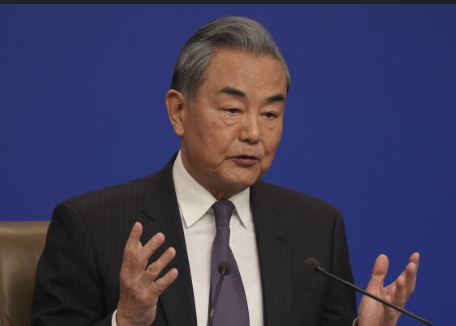
Chinese officials have strongly criticized these moves. The Commerce Ministry said it “does not agree with or accept” the EU’s EV tariffs and warned against “escalating friction”, while a Foreign Ministry spokesperson slammed the U.S. tariffs as “unilateralism” that will “backfire”. Beijing has launched its own tariff probes targeting Western goods and is pressing for these “unfair” duties to be revoked.
Finding a Balance
For retailers, these tariffs are a mixed bag. Costlier Chinese imports bring immediate pain (higher costs) but the drive for local sourcing can also create new opportunities. In a devil’s advocate view, tariffs impose short-term pain for potential long-term gain – but it’s unclear if that trade-off will pay off. Drop-shippers must stay agile, keeping a close watch on policy shifts and ready to adjust sourcing or pricing to navigate the road ahead.

