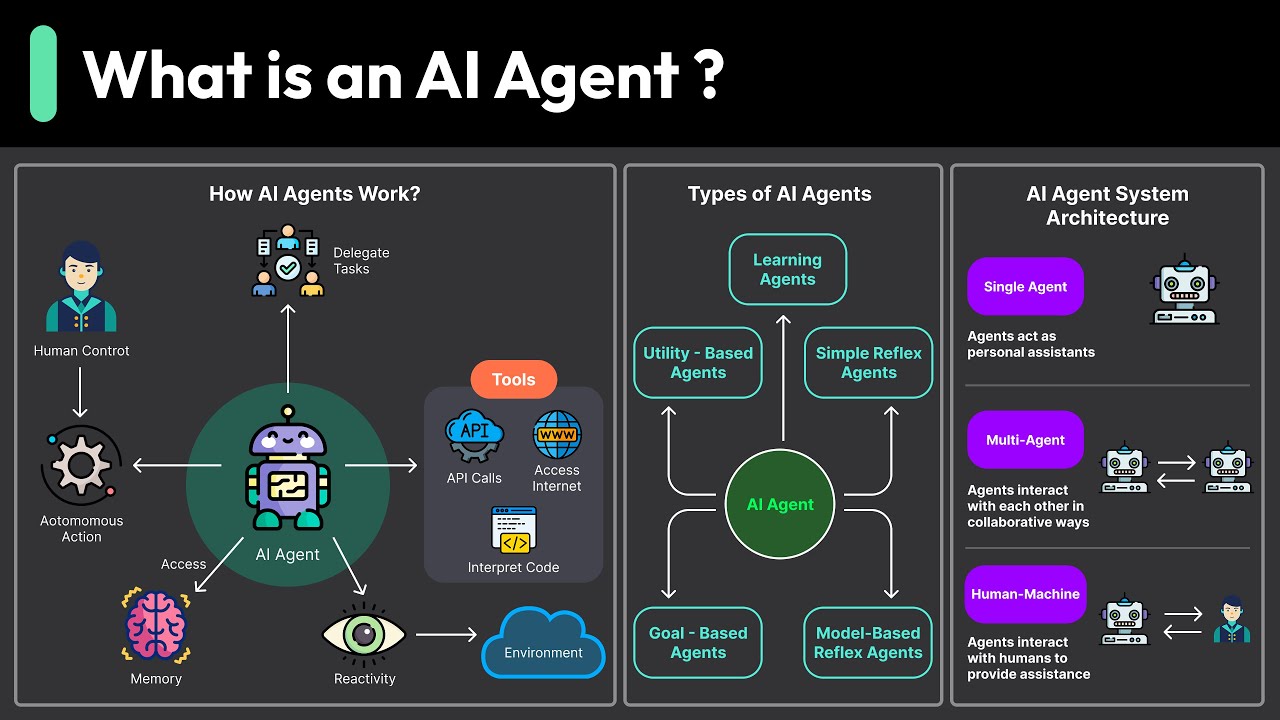
The landscape of commerce is on the precipice of a radical transformation. As we look towards 2026, the rise of sophisticated AI buying agents is no longer a futuristic concept but an impending reality. These intelligent systems will autonomously discover, evaluate, and procure goods and services, shifting the paradigm of how businesses get discovered. For Small and Medium Businesses (SMBs), this presents both a challenge and an immense opportunity: how do you make your offerings ‘agent-friendly’?
The answer lies in mastering hyper-contextual data. This isn’t just about SEO keywords or a good website; it’s about providing an unprecedented depth of structured, relevant, and verifiable information that AI agents can effortlessly process and trust. This post will guide SMBs through understanding this new frontier and outlining concrete steps to carve out an ‘agent-friendly niche’ well before 2026.
Table of Contents
- The Rise of AI Buying Agents: A New Frontier for Commerce
- What is Hyper-Contextual Data and Why is it Your SMB’s Secret Weapon?
- Crafting an Agent-Friendly Niche: Strategies for SMBs
- Actionable Steps for SMBs to Prepare by 2026
- Frequently Asked Questions
- Conclusion: Your Future in the AI-Driven Marketplace
The Rise of AI Buying Agents: A New Frontier for Commerce
Imagine a world where procurement decisions for businesses, both large and small, are increasingly made not by human buyers scrolling through search results, but by highly advanced AI systems. These ‘AI buying agents’ will operate with efficiency, precision, and an insatiable hunger for data. They won’t just look for product names; they’ll evaluate sustainability metrics, supply chain ethics, logistical capabilities, customer service track records, and granular product specifications, all in real-time. For SMBs, being invisible to these agents means missing out on significant growth opportunities. Being ‘agent-friendly’ means unlocking a new era of discovery and sales.
What is Hyper-Contextual Data and Why is it Your SMB’s Secret Weapon?
Hyper-contextual data goes far beyond traditional SEO. It’s about providing an exhaustive, deeply relevant, and precisely structured dataset that paints a complete picture of your offering. Think of it as providing an AI agent with every single detail it could possibly need to make an informed, confident decision, without having to infer or guess. This includes:
- Granular product/service attributes: Not just size and color, but material composition, manufacturing process, certifications, use cases, compatibility, environmental impact, and more.
- Performance metrics: Verified data on durability, efficiency, user ratings, and service level agreements (SLAs).
- Logistical details: Shipping origins, delivery times, return policies, packaging specifics.
- Company values and ethics: ESG (Environmental, Social, and Governance) data, diversity statements, fair trade practices, community involvement.
- Real-time availability and pricing: Dynamic, up-to-date information that can be consumed programmatically.
Why is this crucial? AI agents thrive on certainty. The more comprehensive and unambiguous your data, the higher the likelihood your business will match their precise criteria, build their ‘trust,’ and be selected.
Crafting an Agent-Friendly Niche: Strategies for SMBs
To successfully navigate this new landscape, SMBs need a multi-faceted approach focused on data excellence.
Structuring Your Data for AI Consumption
AI agents don’t ‘read’ websites like humans do; they parse structured data. This is where semantic markup becomes paramount.
- Leverage Schema Markup (JSON-LD): Implement rich schema markup for all your products, services, local business information, and reviews. Use specific properties like
gtin,mpn,brand,sku,offers,aggregateRating,hasProductReturnPolicy, and more. - Standardized Data Formats: Ensure your product catalogs, inventory lists, and service descriptions adhere to industry standards (e.g., GS1 for retail, OpenTravel Alliance for travel).
- APIs and Data Feeds: Consider creating accessible APIs or data feeds that AI agents can query directly for real-time information, such as inventory levels, dynamic pricing, or custom quotes.
Semantic Optimization: Speaking the AI’s Language
While schema provides structure, the language itself must be unambiguous and rich in meaning for AI to interpret effectively.
- Long-Tail and Intent-Based Keywords: Go beyond generic keywords. Focus on hyper-specific phrases that AI agents might use when searching for highly particular attributes (e.g., “biodegradable industrial cleaning solution for food processing facilities” instead of “industrial cleaner”).
- Natural Language Processing (NLP)-Friendly Content: Write descriptions and content that are clear, concise, and avoid jargon or ambiguity where possible. AI agents will use NLP to understand context.
- Entity Recognition: Consistently name and describe your products, services, and company attributes so AI can easily identify and link entities across the web.
Data Enrichment: Going Beyond the Basics
The more validated, relevant data points you can offer, the more compelling your offering will be to an AI agent.
- Third-Party Verifications: Integrate data from trusted certification bodies (e.g., ISO certifications, organic certifications, B Corp status) directly into your structured data.
- Customer Reviews and Testimonials: Actively collect and display reviews, especially structured ones that highlight specific product attributes or service aspects. AI agents will factor in social proof.
- Supply Chain Transparency: Provide data on your sourcing, manufacturing locations, and ethical practices. This is increasingly important for AI agents programmed with ESG criteria.
- Geographical Specificity: Clearly define your service areas or shipping capabilities with precise geographic data, which is critical for local or regional procurement.
Building Trust and Transparency with AI
AI agents, like human buyers, will prioritize trusted sources. Building ‘trust’ with an algorithm requires consistency and verifiable claims.
- Consistent Information Across Platforms: Ensure your data (product details, pricing, contact info) is identical across your website, social media, marketplaces, and data aggregators. Discrepancies reduce AI trust.
- Clear Policies and Terms: Transparently publish your return policies, warranty information, privacy policy, and terms of service in an easily accessible, structured format.
- Security and Compliance: Highlight your data security measures and compliance with relevant regulations (e.g., GDPR, CCPA), as AI agents will be programmed to prioritize secure and compliant vendors.
“The future of commerce isn’t just about being found; it’s about being understood and chosen by intelligent systems that demand absolute clarity and trust in data.”
Actionable Steps for SMBs to Prepare by 2026
The time to act is now. Here’s a phased approach for SMBs:
- Conduct a Data Audit: Evaluate your existing digital data. What information do you currently provide? Is it structured? Is it comprehensive? Identify gaps.
- Prioritize Schema Markup Implementation: Start with your core products/services and local business information. Utilize tools to validate your schema.
- Enrich Product/Service Descriptions: Go back through your offerings and add granular details, certifications, and unique selling propositions that might appeal to an AI agent’s logic.
- Invest in Data Management: Explore product information management (PIM) systems or robust content management systems (CMS) that can help you centralize and structure your hyper-contextual data efficiently.
- Monitor AI Trends: Stay informed about developments in AI procurement, specific industries, and the types of data points AI agents are beginning to prioritize.
- Seek Expert Guidance: Consider consulting with SEO and data architecture specialists who understand the nuances of AI-driven discovery.
Frequently Asked Questions
What exactly is an AI buying agent?
An AI buying agent is an intelligent software system designed to autonomously discover, evaluate, and procure products or services on behalf of a business or individual. It uses advanced algorithms, machine learning, and natural language processing to understand requirements, search for vendors, compare offerings, and even negotiate, all based on extensive data analysis.
How is hyper-contextual data different from traditional SEO?
Traditional SEO primarily focuses on optimizing content for human search engine users, often targeting keywords and readability. Hyper-contextual data, while including SEO best practices, goes much deeper. It emphasizes highly structured, granular, verifiable, and semantic data points specifically tailored for machine consumption, enabling AI agents to make highly precise and logical evaluations far beyond what a human search would typically involve.
Is this only relevant for B2B businesses?
While B2B procurement will likely see the most immediate and significant impact due to complex buying processes, the principles of hyper-contextual data will eventually extend to B2C. AI personal assistants and smart home devices are already making basic purchasing decisions; as they evolve, they will demand similar levels of detailed, trustworthy data from consumer-facing businesses.
What’s the first step an SMB should take to become agent-friendly?
The very first step is to conduct a thorough audit of your existing digital presence and data. Identify what information you currently have available, how it’s structured, and where the significant gaps are in providing granular, verifiable details about your products, services, and company values. This audit will inform your roadmap for data enrichment and structuring.
Conclusion: Your Future in the AI-Driven Marketplace
The shift towards AI-driven purchasing is not a distant future, but a rapidly approaching reality for SMBs in 2026. By proactively embracing hyper-contextual data, structured markup, and a commitment to transparency, SMBs can transform this technological wave into an unprecedented opportunity for discovery and growth. The businesses that invest in becoming ‘agent-friendly’ today will be the ones that thrive and lead in the AI-powered marketplaces of tomorrow. Don’t wait; start preparing your digital assets for the AI revolution now.