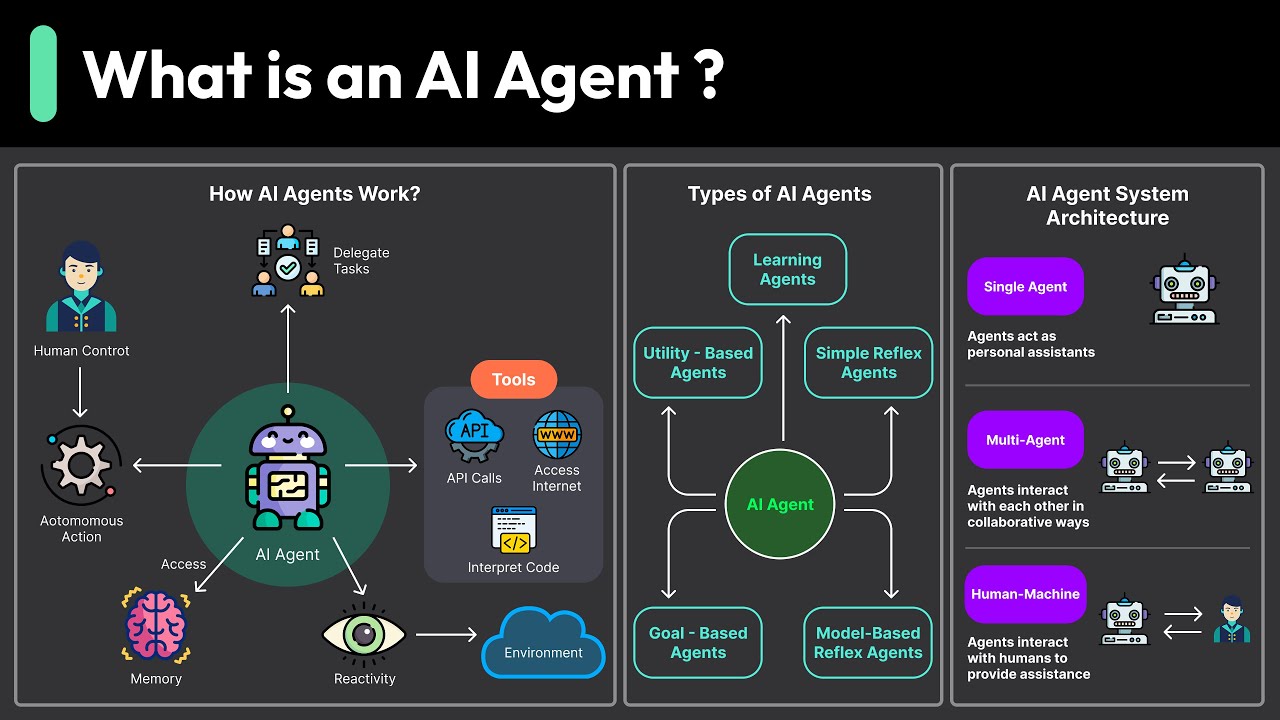
The landscape of e-commerce is rapidly evolving, driven by unprecedented advancements in artificial intelligence. As we look ahead to 2026, the traditional human-centric purchasing journey is giving way to a new paradigm: AI-driven buying agents. These autonomous entities will increasingly make purchasing decisions on behalf of consumers, fundamentally altering how products are discovered and trusted online. For small-to-medium businesses (SMBs), understanding and adapting to this shift—what we call Agentic SEO—is not just an advantage; it’s a necessity for future-proofing your e-commerce strategy. This guide will equip you with actionable strategies to optimize your product data, ensuring your offerings are discovered and deemed trustworthy by the AI agents that will shape tomorrow’s market.
Table of Contents
- Understanding the Rise of AI Buying Agents
- What is Agentic SEO and Why It’s Different?
- Pillar 1: Optimizing Product Data for AI Discovery
- Pillar 2: Building Algorithmic Trust with AI Agents
- Actionable Steps for SMBs to Prepare for 2026
- Frequently Asked Questions About Agentic SEO
- Conclusion: Embracing the Agentic Future
Understanding the Rise of AI Buying Agents
Imagine a future where a significant portion of online purchases aren’t initiated by a human browsing a website, but by an intelligent AI assistant. These AI buying agents will be tasked with finding the best products or services that meet specific user criteria, evaluating everything from price and features to sustainability and seller reputation. They will act as highly efficient, data-driven personal shoppers, capable of processing vast amounts of information in an instant. This shift represents a profound change for SMBs, moving the focus from optimizing for human search intent to optimizing for algorithmic understanding and trust. Your products need to be ‘machine-readable’ in a way they’ve never had to be before.
What is Agentic SEO and Why It’s Different?
Agentic SEO is the practice of optimizing your online presence, particularly your product data, for discovery and positive evaluation by AI buying agents. Unlike traditional SEO, which heavily relies on keyword relevance for human queries, Agentic SEO emphasizes the clarity, completeness, accuracy, and structured nature of your data. It’s about ensuring that an AI can not only find your product but also fully understand its attributes, verify its claims, and trust the source. This means moving beyond just product descriptions and focusing on robust data schemas, comprehensive attribute sets, and transparent business practices.
“In 2026, your best salesperson might not be human. It might be the integrity and depth of your product data, speaking directly to an AI agent making a purchasing decision.”
Pillar 1: Optimizing Product Data for AI Discovery
For an AI agent to consider your product, it first needs to discover it. This isn’t about ranking for a keyword, but about providing machine-readable signals that allow the AI to accurately categorize and match your offering to its user’s needs.
Structured Data Markups (Schema.org)
- Implementation is Key: Ensure all your product pages utilize Schema.org Product markup. This includes price, availability, reviews, manufacturer, model, and detailed specifications.
- Specificity Matters: Go beyond generic ‘Product’ schema. Use specific types like ‘Offer’, ‘Book’, ‘Shoe’, etc., where applicable.
- Regular Audits: AI agents will value up-to-date and error-free structured data. Regularly audit your schema implementation for accuracy and completeness.
Rich, Detailed Product Attributes
- Beyond the Basics: Don’t just list color and size. Provide granular details like material composition, dimensions (in multiple units if relevant), weight, power consumption, compatibility, certifications (e.g., organic, fair trade), and any unique selling propositions.
- Consistent Naming Conventions: Use standardized attributes and values across your entire product catalog. Inconsistencies confuse AI.
- Multi-language Support: If targeting international markets, ensure attribute data is available and accurate in relevant languages.
High-Quality Multimedia & Metadata
- Image Optimization: Use high-resolution images from multiple angles. Crucially, embed detailed alt text and image descriptions that accurately describe the product, including its features and context.
- Video Content: Product videos (demonstrations, unboxings) should include accurate captions and transcripts, making their content discoverable by AI.
- 3D Models/AR: For certain product categories, 3D models and augmented reality (AR) experiences provide richer data that AI agents can potentially analyze for fit, form, and function.
Consistent Product Naming & Categorization
- Standardize Titles: Create clear, concise, and consistent product titles that accurately reflect the item without keyword stuffing.
- Logical Categorization: Implement a well-structured and logical product categorization system that an AI can easily traverse and understand, preventing misclassification.
Pillar 2: Building Algorithmic Trust with AI Agents
Discovery is only half the battle. Once an AI agent finds your product, it needs to deem it trustworthy and reliable enough to recommend or purchase. This algorithmic trust is built on verifiable data and transparent practices.
Verifiable Reviews & Ratings
- Authenticity is Key: AI agents will prioritize authentic, verified customer reviews. Actively encourage and manage reviews on your site and trusted third-party platforms.
- Sentiment Analysis: While humans read reviews, AI can perform sophisticated sentiment analysis. Ensure your customer service addresses negative feedback transparently to mitigate its impact.
- Review Schema: Implement Schema.org Review markup to clearly present review data to AI.
Transparent Shipping & Returns Policies
- Clear & Accessible: Make your shipping costs, delivery times, and return policies easily discoverable and unambiguous. AI agents will cross-reference this data to evaluate customer satisfaction and risk.
- Policy Schema: Consider using schema for policies if available, or at least structure your policy pages clearly for AI parsing.
Accurate Inventory & Pricing Data
- Real-Time Updates: Out-of-stock items or incorrect pricing can immediately erode AI trust. Invest in systems that provide real-time updates for inventory and pricing.
- Pricing History: Some AI agents may analyze pricing history for stability and fairness, rewarding consistent and transparent pricing strategies.
Ethical AI Practices & Data Privacy
- Compliance & Transparency: Ensure your website and data handling practices comply with relevant data privacy regulations (e.g., GDPR, CCPA). AI agents may be programmed to check for these signals of responsible business.
- Security Signals: A secure website (HTTPS) and clear privacy policy are fundamental trust signals for both humans and AI.
Actionable Steps for SMBs to Prepare for 2026
It’s time to put these principles into practice. Here’s how SMBs can start preparing today.
Audit Your Current Product Data
- Inventory Assessment: Review every product listing for completeness, accuracy, and consistency of attributes.
- Schema Check: Use Google’s Rich Results Test to identify and fix errors in your Schema.org implementation.
- Content Gaps: Identify missing product details, images, or explanatory content that an AI agent might need.
Invest in PIM (Product Information Management) Solutions
- Centralized Data: A PIM system centralizes and standardizes all your product data, making it easier to manage, enrich, and distribute across various channels.
- Scalability: PIM solutions are invaluable for growing SMBs, ensuring data quality as your product catalog expands.
Leverage Marketplace Features
- Maximize Fields: On platforms like Amazon, Etsy, or Shopify, fill out every available product attribute field. These platforms are often early adopters of AI-friendly data structures.
- Seller Ratings: Maintain high seller ratings and respond promptly to customer inquiries and issues on marketplaces, as these contribute to algorithmic trust.
Monitor AI Agent Trends
- Stay Informed: Keep an eye on developments from major tech players regarding AI assistants and buying agents.
- Experiment: Don’t be afraid to experiment with new data structures or optimization techniques as the landscape evolves.
Frequently Asked Questions About Agentic SEO
What exactly is an AI buying agent?
An AI buying agent is an autonomous artificial intelligence system designed to discover, evaluate, and potentially purchase products or services on behalf of a human user, based on specified criteria and preferences.
Is Agentic SEO replacing traditional SEO?
No, Agentic SEO is an evolution and expansion of traditional SEO, not a replacement. While traditional SEO for human discovery remains vital, Agentic SEO focuses on optimizing for the machine intelligence that will increasingly mediate purchasing decisions.
What’s the most crucial first step for an SMB?
The most crucial first step is to perform a thorough audit of your existing product data for completeness, accuracy, and structured markup (Schema.org). Clean, consistent data forms the foundation for all Agentic SEO efforts.
How can I measure success in Agentic SEO?
Measuring success will involve tracking metrics like product visibility in AI-driven search results, direct purchases initiated by AI agents (where identifiable), increased conversion rates, reduced return rates (due to clearer product information), and positive shifts in online reputation metrics.
Conclusion: Embracing the Agentic Future
The rise of AI buying agents marks a pivotal moment for e-commerce. For SMBs, this isn’t a threat but an immense opportunity to redefine their digital presence and reach customers in new, highly efficient ways. By proactively embracing Agentic SEO, focusing on robust product data optimization, and meticulously building algorithmic trust, your business can not only survive but thrive in the intelligent commerce ecosystem of 2026 and beyond. Start preparing your data today; your future sales may depend on it.